by Kamal Obeid | Oct 9, 2015 | Landtech Blog, The Way of the Land
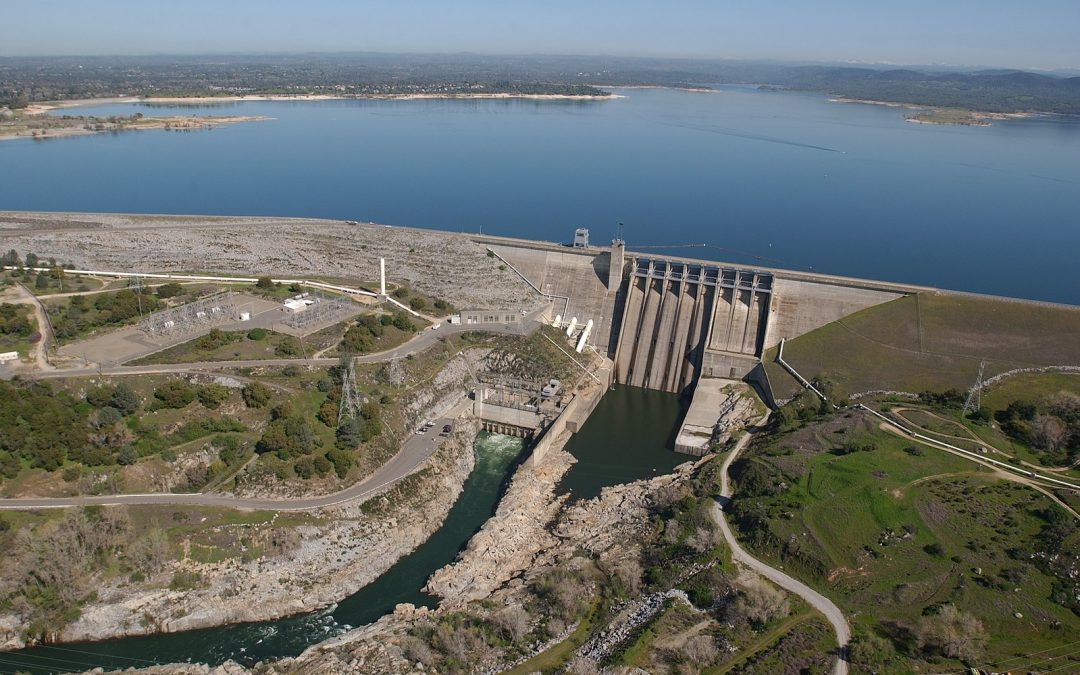
Water storage on a municipal scale in the West used to involve building dams and reservoirs such as the Folsom Dam, which would gush with water from the melting snow of the Sierra Nevada mountains. Now the snowpack is at its lowest measured record, and the water levels of the reservoir may run so low this year that pumps will have to be installed to push water through the dam. Unfortunately, these warming conditions are likely to continue. In response to the “new normal” of drought conditions, the community of civil engineers and local jurisdictions must take a sustainable approach and rethink infrastructure to deal with potential severe water shortages. With the drought looming overhead (and below), here are four examples of water projects throughout the Bay Area and California involving desalination, groundwater recharge, stormwater capture, and recycled water.
by Kamal Obeid | Sep 10, 2015 | Landtech Blog, The Way of the Land
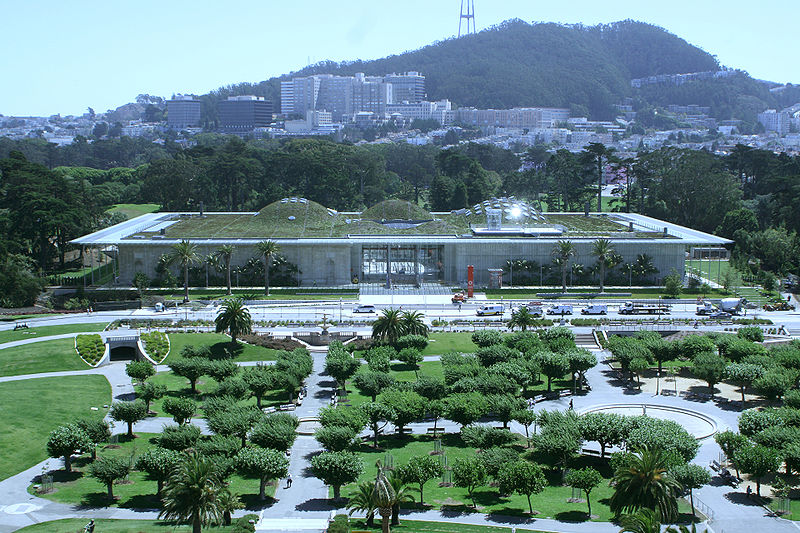
When you think of sustainable development in the California Bay Area, you may think of CEQA, solar panels, and environmentally-friendly hipsters, but green roofs will probably not come to mind. Though San Francisco has some green infrastructure projects, the Bay Area region lags behind areas such as Washington, D.C., which led the country in 2012 with 1.2 million square feet of new green roofs. There are grand exceptions like Facebook’s newest campus in the Bay Area that contains a gigantic roof garden complete with trees, walkways, and sitting areas, or the living roof of the California Academy of Sciences. But is it worth investing in a green roof when building in the Bay Area?
by Kamal Obeid | Aug 4, 2015 | Landtech Blog, The Way of the Land
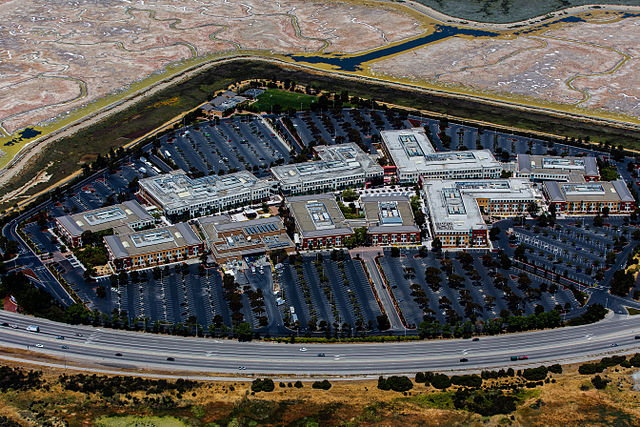
Sustainable development for growing high-tech companies in Silicon Valley signifies they meet their present needs without compromising the ability of future generations to meet their needs. But green building is not just a buzzword for Apple, Google, Facebook, and other technology giants–they are incorporating environmentally-friendly features into their new campus developments. However, the number of solar panels or the acres of green space in a new campus is not as important as the impact the development has on the surrounding community. Community-oriented development, or the creation of vibrant communities, is the number one sustainable development feature for new technology company developments.
Silicon Valley is privileged to be home to three of the biggest technology companies in the world: Apple in Cupertino, Google in Mountain View, and Facebook in Menlo Park. The most important factor to the surrounding communities, however, is whether the new tech campuses are developed with the future of community in mind.
by Kamal Obeid | Jul 2, 2015 | Landtech Blog, The Way of the Land
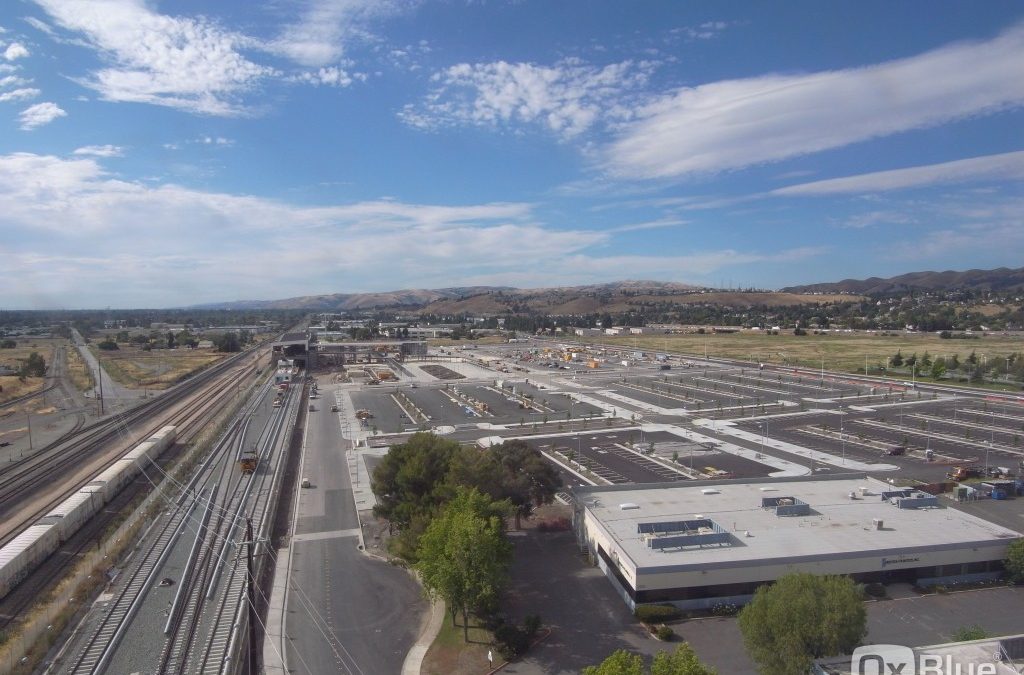
Fremont, CA is going from a suburban community to a thriving, well-planned urban city–fast. I have been practicing engineering in Fremont since 1987 and have seen its remarkable transformation over the years. To be sure, even within the last few years, there was the NUMMI plant closure, then the advent of Tesla Motors Inc., and now the upcoming completion of the BART extension to South Fremont at the end of this year. From a land planning perspective, we are looking at a new face of Fremont development: more community-oriented than isolated industrial uses.
by Kamal Obeid | May 28, 2015 | Landtech Blog, The Way of the Land
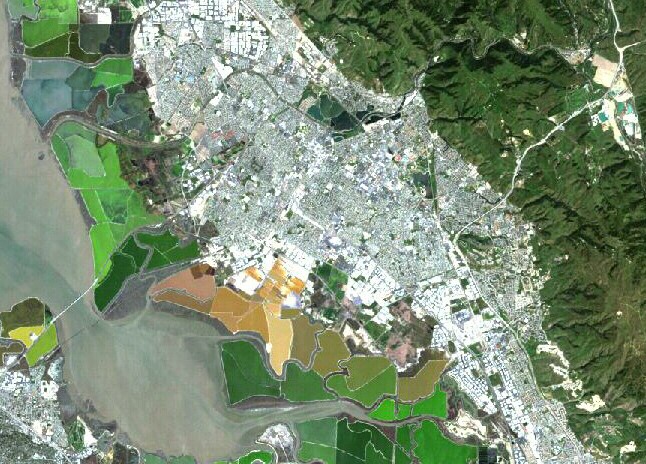
South Fremont, Calif., also known as the Warm Springs District, is one of the few unique places in the Bay Area with available land for commercial use, especially for research and development, or R&D projects. It is characterized by a few large vacant parcels of land, and underutilized land, but is also home to advanced manufacturing companies and R&D companies such as Tesla Motors and Thermo Fisher Scientific. However, as might be expected for development in the heart of the Bay Area, a thorough project planner would need to consider the regulatory issues and site constraints during the initial project investigation. Among these critical issues, at least three essential questions should be answered:
Does land-use/ local planning regulation support my project?
Is there sufficient project infrastructure to serve the proposed facility?
What environmental impact restrictions exist for the site?
by Kamal Obeid | Feb 23, 2015 | Landtech Blog, The Way of the Land
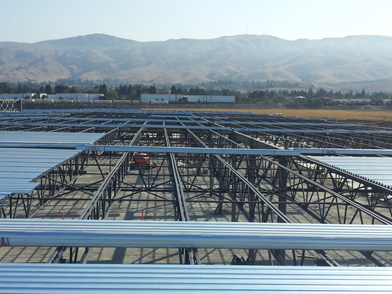
There are many qualified structural engineers in the Bay Area, but how do you determine which engineer or engineering firm is well suited for your large-scale project? You should begin by clearly defining your project goals and scope of work, and then find an engineer who can help you achieve your vision. Here are some recommendations about what kind of service you should look for from a Bay Area structural engineer.
